
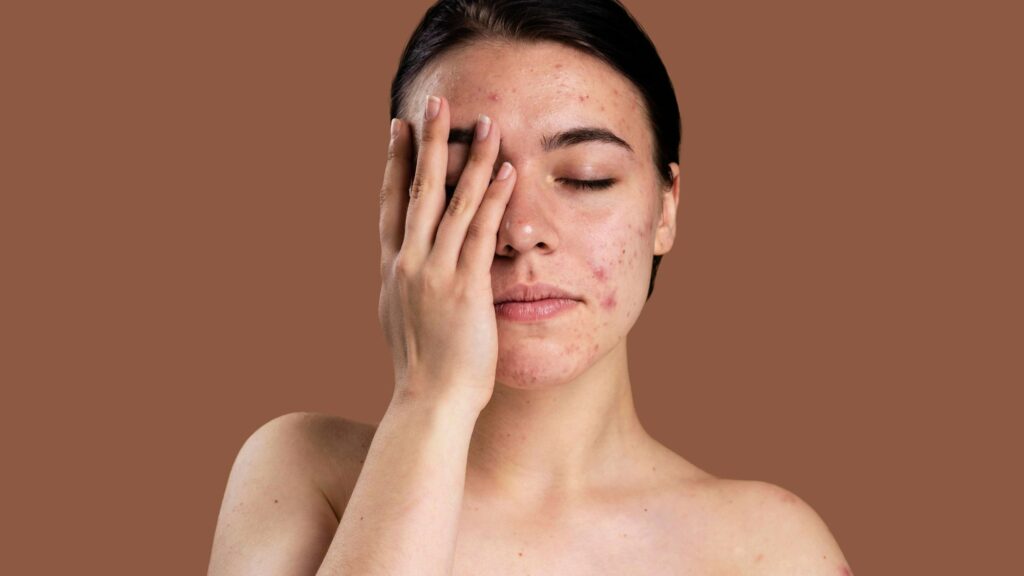
What Causes Rough Skin: Signs, Triggers, and Skin Care Tips
Many people think rough skin is just part of life but before you resign yourself to it, understand that rough skin is almost always the result of everyday habits that quietly disrupt the skin’s moisture balance, weaken its protective barrier, and slow down natural renewal.
If you’re searching for answers about rough skin, dry texture, or how lifestyle choices affect your complexion, you’re in the right place. In this in‑depth post, we’ll break down the most common habits that cause rough skin, the signs to look for, the underlying triggers, and practical skin care tips grounded in science and real dermatological insight.
1. Skipping Professional Treatments
Visiting a reputable Botox injections clinic in Toronto can help smooth fine lines and maintain skin’s youthful texture. Neglecting such treatments may leave skin looking rough and tired, especially around the forehead and eyes, where collagen breakdown is faster. Consistent care supports hydration, elasticity, and overall smoothness, complementing daily skincare routines.
Signs You’re Skipping It Too Often
- Forehead lines becoming more noticeable.
- Crow’s feet appearing around eyes.
- Skin losing its natural firmness.
Skin Care Tips
- Apply sunscreen daily to protect from UV damage and prevent collagen breakdown.
- Use gentle exfoliation 1–2 times a week to remove dead skin cells.
- Keep skin hydrated with a lightweight moisturizer suitable for your skin type.
2. Skipping Moisturizer
Moisturizer does more than make skin feel soft as it reinforces your skin’s outer protective layer (the stratum corneum). Without it, your skin loses water to the environment, becoming dry, tight, flaky, and rough. A clinical research showed that regular application of moisturizers resulted in a significant improvement in skin hydration, less dryness, and less itching among the majority.
Signs You’re Skipping It Too Often
- Persistent tightness after cleansing
- Flaking, or otherwise visibly rough patches
- Pruritus; itching; irritation
Skin Care Tips
- Apply moisturizer twice daily, in the morning and at night.
- Opt for formulas containing humectants such as glycerin or hyaluronic acid, which draw water into the skin.
- Apply it in layers immediately after cleansing, while the skin is still slightly damp.
3. Over‑Exfoliating
Exfoliation removes dead skin cells; however, over-scrubbing or using the wrong physical exfoliant can strip away vital oils and weaken the skin’s barrier. This causes increased water loss, leading to a rough texture.
Symptoms of Over-Exfoliation
- Redness or irritation
- Dryness that endures
- More flakiness after exfoliating
Skin Care Tips
- Exfoliate no more than once or twice a week. Instead, consider using chemical exfoliants at low strengths, such as AHAs or BHAs, rather than having to use a harsh physical scrub.
- Always follow with a hydrating, barrier-supporting moisturizer.
4. Not Drinking Enough Water

Your skin reflects your internal water balance. Even mild dehydration can reduce elasticity and make skin appear rough and dull (even if surface oils are present).
Signs of Dehydration‑Related Rough Skin
- Skin dullness
- Fine lines that look deeper
- Lackluster texture
Skin Care Tips
- Aim for steady hydration throughout the day, not just large amounts at once.
- Eat hydrating foods (e.g., melons, cucumbers).
- Pair water intake with electrolytes (minerals like sodium and potassium) which help maintain skin hydration.
5. Poor Diet (High Sugar, Processed Foods)
High sugar and processed food consumption can lead to glycation where sugar molecules attach to collagen fibers, making them stiff and reducing skin elasticity. Over time this can contribute to rough and less resilient skin.
Signs Your Diet May be Part of the Problem
- Persistent dullness
- Irregular Texture
- Skins breakouts alongside dryness
Skin Care Tips
- Consume whole foods with a lot of antioxidants (like vitamin C and vitamin E) and omega-3 fatty acids.
- Cut down on too much sugar and refined carbohydrates.
- Add sources of healthy fats like nuts, seeds, and avocados to help enhance barrier function from within.
6. Overexposure to Sun Without Protection
It also causes damage to the proteins in the skin, thereby reducing the barrier strength, which results in increased water evaporation and a rough skin texture.
Common Indications of Sun-Associated Rough Skin
- Texture irregularities
- Fine lines are best addressed by
- Patches with a thick, or leathery
Skin Care Tips
- Apply a broad spectrum sun-blocker daily even in cloudy weather. Repeat every 2 to 3 hours, as directed.
- Wear hats and protective clothing when spending an extended period of time outdoors.
7. Sleeping Late or Poor Sleep Quality

While sleeping, your body regenerates your skin cells. When your sleeping is poor or inadequate, your body produces increased levels of stress hormones such as cortisol that may affect your skin barrier to become rough.
Signs Your Sleep is Affecting Your Skin
- Puffiness plus dryness around eyes
- Dull complexion
- Slow recovery from irritation
Skin Care Tips
- Aim for 7–9 hours of quality sleep per night.
- Establish a sleep-conducive bedtime schedule (use dim lighting, calm activities).
- Don’t use screens for an hour before bedtime.
8. Harsh Soaps or Skin Care Products
Harsh-cleanser and alcohol-containing cleansers can remove the natural oils found in the skin, causing it to become dry and rough.
Signs of Harsh Products
- Squeaky sensation with tightness following washes
- Redness or flakiness that persists
- Rough areas that get worse after washing
Skin Care Tips
- Use gentle cleansers that are pH balanced
- Avoid products that have alcohol or strong scents.
- Patch‑test new products before full use.
9. Smoking and Alcohol Consumption
Alcohol is a diuretic, meaning it promotes water loss and dehydration at the cellular level, which often shows up as dull, rough skin. Smoking also limits blood flow and oxygen delivery to skin cells, impairing barrier function and elasticity.
Signs These Habits Affect Your Skin
- Dull complexion
- Rough surface
- Slower wound and irritation recovery
Skin Care Tips
- Limit alcohol intake and drink water alongside alcoholic beverages.
- If you smoke, reducing or quitting will improve circulation and skin recovery.
10. Stress and Lack of Self‑Care

Chronic stress raises cortisol levels, which can trigger inflammation, weaken the skin barrier, and disrupt moisture retention.
Signs Stress‑Induced Skin Roughness
- Flare‑ups of dryness without apparent cause
- Itchiness or irritation that comes and goes
- Breakouts plus texture issues
Skin Care Tips
- Practice stress‑reducing activities (meditation, walk, journaling).
- Treat stress as part of your skincare plan.
- Combine with consistent hydration and gentle routines.
Final Thoughts
Rough skin shows that your skin needs care, attention, or a routine visit to a Botox clinic in Toronto. The good news is that small, consistent changes can make a real difference. Focus on simple steps like moisturizing daily, protecting your skin from the sun, staying hydrated, and using gentle products.
Pair these with healthy habits such as eating well, getting enough sleep, and managing stress. By taking action now, you can improve your skin’s texture, restore smoothness, and bring back a natural, healthy glow. Start today and feel the difference in your skin.
