
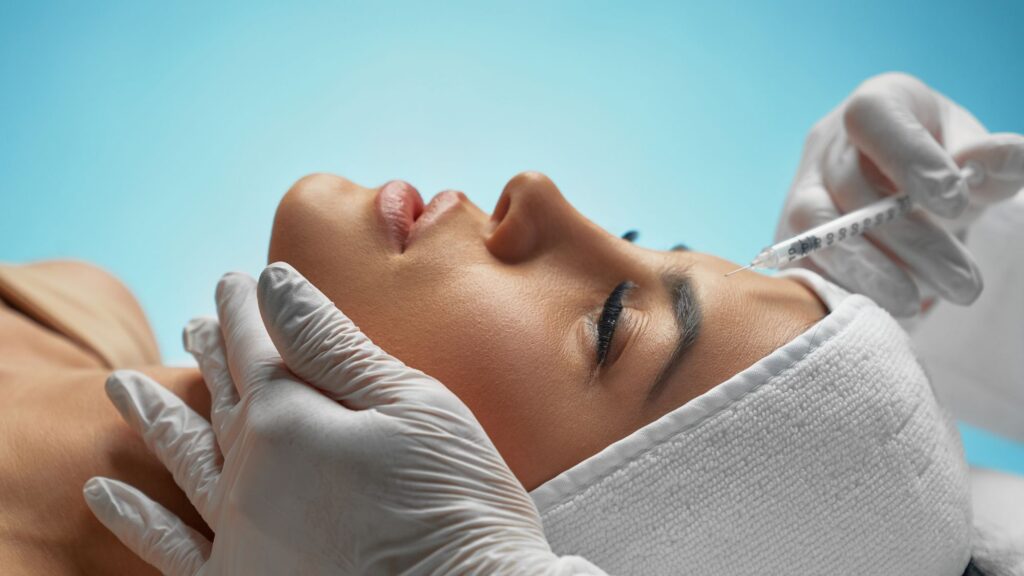
How to Make Botox Last Longer: 7 Skin Care Tips
There’s nothing quite like looking in the mirror a few weeks after your Botox treatment only to notice that the fine lines you hoped would stay smooth are starting to peek back sooner than expected.
You might be thinking, “I take care of my skin, I avoid sunburns, and I eat well but why isn’t this lasting?” This is one of the most common frustrations women face: the emotional disappointment when temporary results don’t stretch as long as promised, and the urge to understand how to hold onto that youthful smoothness longer.
Below, we break down why results wear off, what science and clinicians recommend, and concrete, research‑supported steps you can take to make your Botox last longer without confusion or hard‑to‑follow jargon.
How Botox Works and Why It Wears Off?
Botox works by temporarily blocking nerve signals to the muscles responsible for dynamic wrinkles formed through repeated expressions like frowning or squinting. When those muscle contractions are relaxed, the overlying skin looks smoother.
Typical Duration
For most people, effects fade after about 3 to 4 months, although some individuals may enjoy effects up to 6 months with repeated treatments.
Why Does It Last Forever?
Several key biological and environmental factors influence how quickly Botox breaks down and loses effectiveness:
- Muscle activity and strength: Stronger, frequently used muscles metabolize the product more rapidly.
- Metabolism rate: Those with a faster metabolic rate often process the neuromodulator sooner.
- Sun exposure and lifestyle habits: UV damage and poor Skin Care can indirectly accelerate the visible return of wrinkles.
Understanding these forces gives you a foundation for lasting results.
Tip #1: Follow Proper Aftercare in the First 24-48 Hours
The first two days after a Botox treatment in Toronto are critical. Botox molecules need time to bind and settle into targeted muscle receptors. Interrupting this process, whether by rubbing the area, lying down early, or exercising intensely, can cause micro‑shifts in distribution and reduce how well the product works.
Best Practices
- Stay upright for at least 4 hours after treatment.
- Avoid touching, massaging, or pressuring the treated areas.
- Skip vigorous exercise for at least 24 hours.
- Avoid saunas, hot yoga, or excessive heat for 48 hours.
A structured review on Botox aftercare emphasizes limited movement and avoidance of heat or pressure immediately after injections to reduce diffusion and maintain targeted effects.
Tip #2: Protect Your Skin From the Sun Daily
UV damage is one of the biggest sneaky enemies of wrinkle‑reduction longevity.
How Sun Exposure Affects Botox
While sunlight doesn’t break down the neurotoxin itself, UV rays accelerate collagen and elastin breakdown, which weakens skin structure and makes lines return visually faster.
Sun Protection Routine
- Use broad‑spectrum sunscreen (SPF 30 or higher) daily, even on cloudy days.
- Wear protective clothing and wide‑brimmed hats when outside.
- Reapply sunscreen every 2–3 hours outdoors.
A dermatology consensus highlights daily sun protection as fundamental to maintaining both Botox results and overall skin health.
Tip #3: Build a Gentle, Hydrating Skin Care Routine
Skin that’s well‑hydrated and nourished provides a more resilient “canvas,” making the effects of neuromodulators appear smoother and longer.
Core Components
- Hydrating serums: Use hyaluronic acid to support water retention.
- Barrier‑supporting moisturizers: Ceramides and peptides help protect skin structure.
- Use sunscreen daily: All chemically based creams, lotions, and gels contain irritating and comedogenic chemicals that, if exposed to sunlight, increase
Techniques That Help
- Layer products from thin to thick to ensure proper absorption.
- Add antioxidants like vitamin C to eliminate free radicals.
There is evidence that antioxidant and barrier-enhancing Skin Care is an important part of overall Skin Care, which works synergistically with cosmetic products.
Tip #4: Don’t Skip Antioxidants and Repairing Ingredients
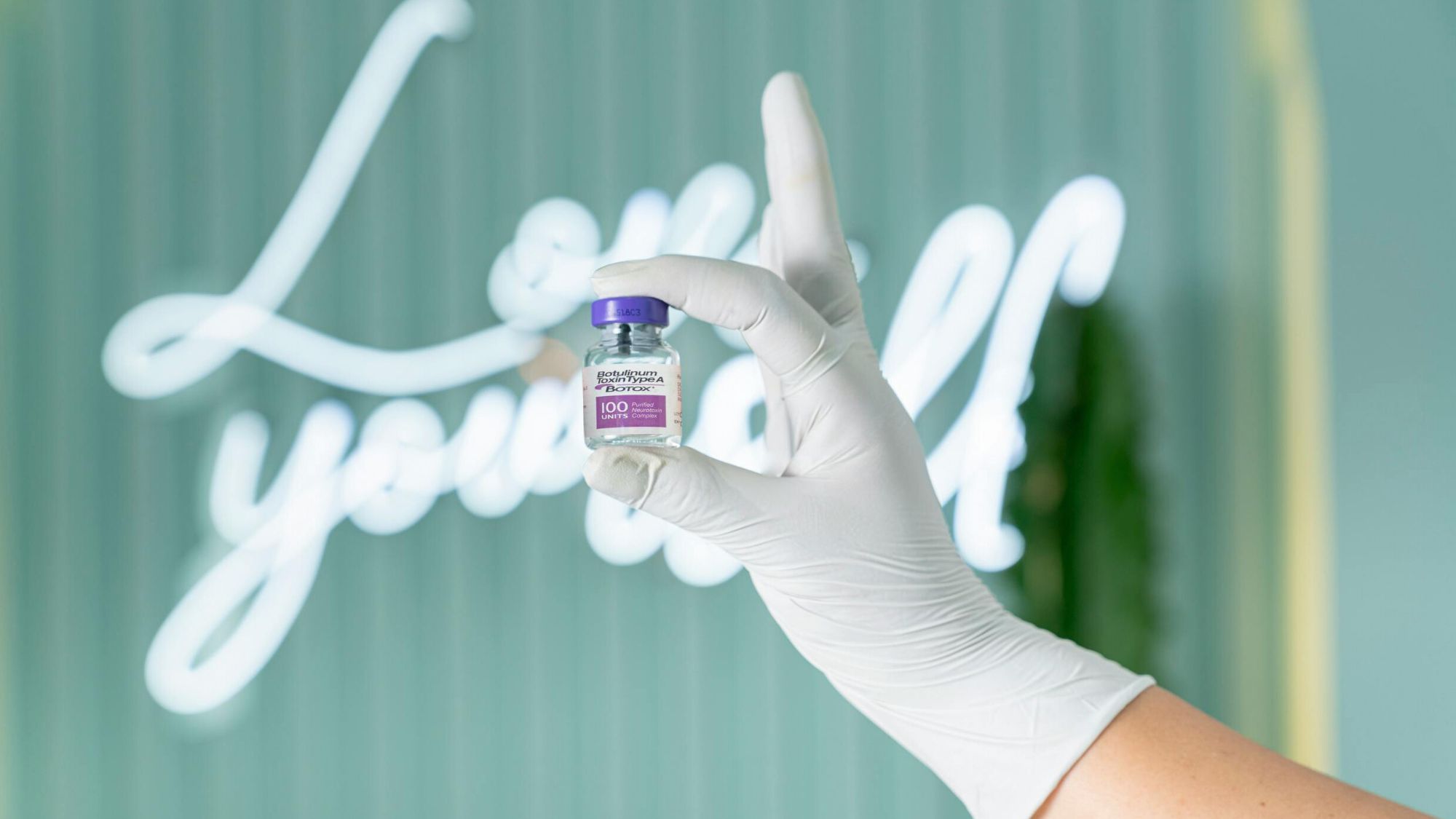
Consider the role of antioxidants as an internal shield for your skin
Why Are They Important?
- Vitamin C, Vitamin E, and Niacinamide work in the following ways
- Supports collagen synthesis
- Reduce inflammation
- These are indirect ways of achieving long-lasting smoothness.
How to Integrate Them?
- Vitamin C in daily routine
- Niacinamide – Barrier Support and Skin Calming Ingredient
- Peptides in the evening and their role
Peer-reviewed clinical evidence points to the importance of vitamin C in protection and collagen support.
Tip #5: Steer Clear of Habits that Speed Up Botox Break
Lifestyle is as important as the treatment.
Habits to Avoid
- Too much alcohol: Alcohol consumption can damage skin and exacerbate inflammation.
- Frequent strenuous exercise directly following treatment: High blood flow may increase Botox metabolism.
Smart Alternatives
- Gentle walks after injections
- Meditation/breathing exercises for stress management
- Hydration before and after exercise
Factors of lifestyle and metabolism play an essential role in the longevity of Botox treatment according to the clinical reviews on the duration of the neurotoxin.
Tip #6: Keep a Healthy Lifestyle
Optimal internal health is required for optimal results.
Focus On
- Hydration: Adds to skin volume and elasticity.
- Balanced Diet: Foods high in antioxidants, including berries, green vegetables, and healthy fats, are important for the production of collagen and help alleviate oxidative stress.
- Sleep: Lower levels of stress hormones, such as cortisol, help promote healing of the skin
- Stress management: Stress increases muscle tension and can shorten Botox effectiveness by increasing muscle contractions.
Nutrient‑rich diets and stress reduction are linked with healthier skin and slower visible aging, which complements neuromodulator effects.
Tip #7: Stay Consistent With Maintenance and Professional Care
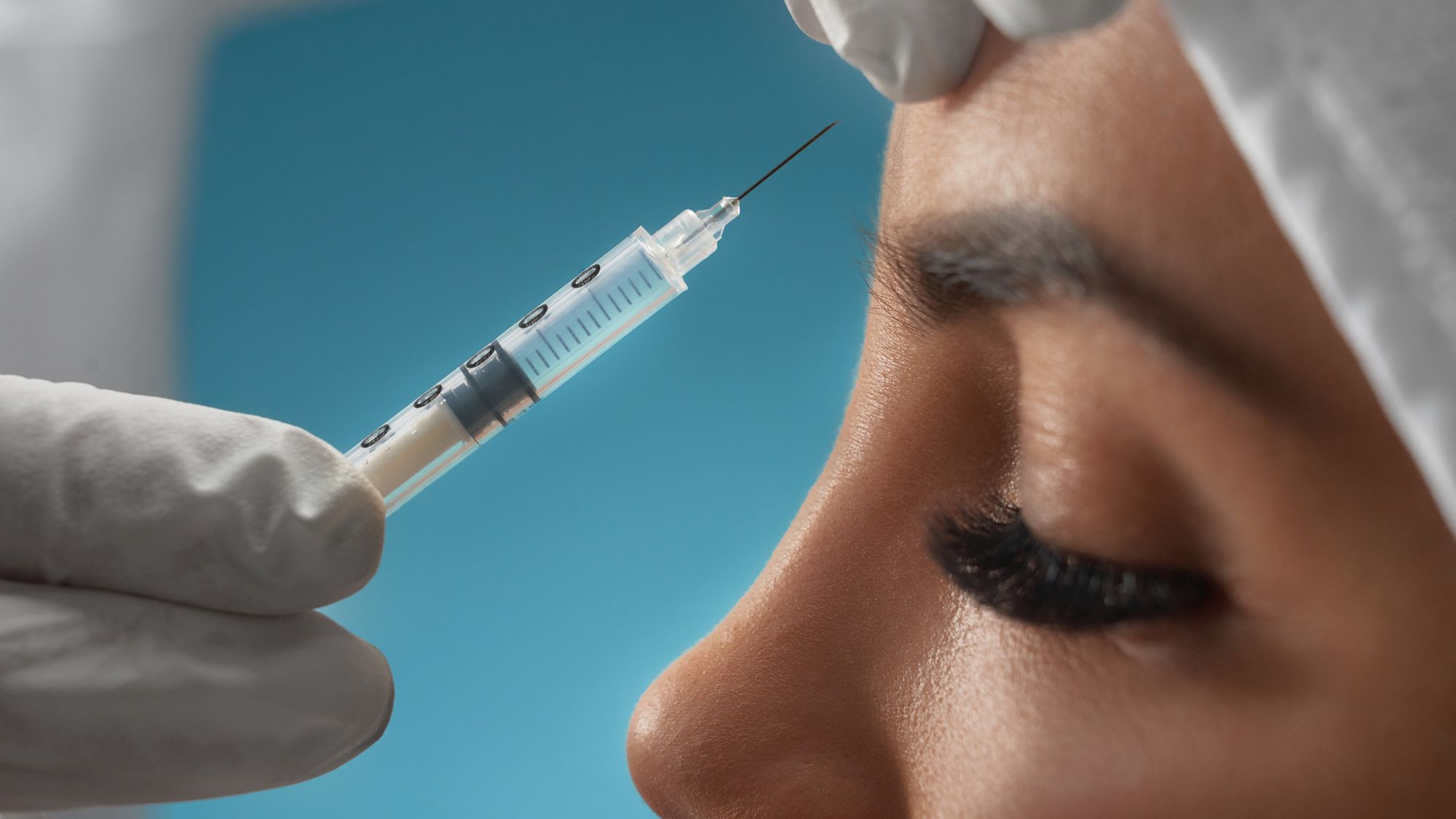
Repeated treatments before full return of muscle movement help “train” muscles to contract less forcefully over time, resulting in longer intervals between sessions.
Expert’s Tip
Most clinicians at our Botox Toronto clinic recommend scheduling your next session around the 3–4 month mark, tailoring future timing to your individual response. Longitudinal findings reveal that repeated botulinum toxin sessions can extend the average duration of effect over time.
Conclusion
Making your Botox last longer is a holistic, researched‑based approach to Skin Care, lifestyle, and aftercare. From protecting your skin every day to managing stress and planning consistent follow‑ups, each step contributes to smoother, longer‑lasting results.
If you’re ready to take control of your results and make them truly count, start with one habit this week and watch how much longer your smoothness can last.
