
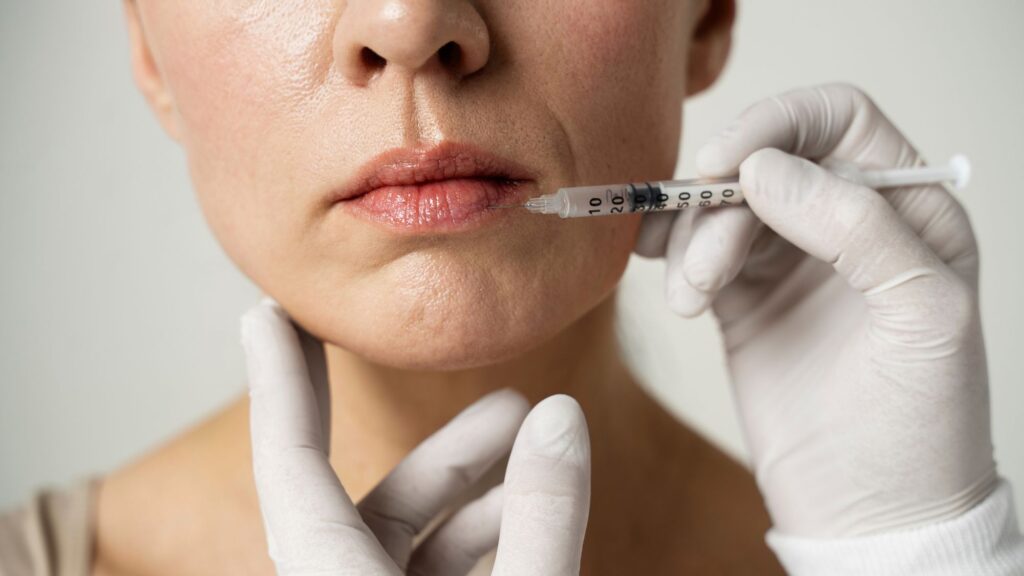
Imagine looking in the mirror weeks after a lip enhancement and feeling the immediate stress of your lips looking uneven, swollen in the wrong areas, or worse, unnatural and disproportionate to the rest of your face. Many women pursue fuller lips with high hopes, only to be disappointed or even traumatized by avoidable mistakes. Whether it’s emotional regret or physical discomfort, these outcomes often stem from common errors before, during, or after lip filler treatment.
This comprehensive guide dives deep into eight key mistakes that can ruin your lip filler results, including what they are, why they happen, how to prevent them, and essential medical evidence you should know. The goal is not to promote any provider or service, but to arm you with clear, trusted, and research-backed guidance for safer, more satisfying results if you choose lip enhancement.
1. Prioritizing Price Over Provider Skill
It is incredibly tempting to jump on a “limited time offer” or a flash sale found on a discount app. However, your face is not the place to bargain hunt. One of the most significant mistakes patients make is treating filler like a commodity as if the product itself does the work. In reality, the syringe is just a tool; the injector’s understanding of facial anatomy is the actual service. Low prices often indicate that a clinic is cutting corners, perhaps by using unapproved products, diluted formulas, or hiring injectors with minimal clinical hours.
Our certified highly trained injectors at our lip filler clinic in Toronto understand the three-dimensional complexity of the lips, including the location of the superior labial artery. Choosing an undertrained provider increases the risk of vascular occlusion, a rare but serious complication where filler can block a blood vessel.
The Clinical Reality: Research emphasizes that “the expertise of the injector is the most critical factor in avoiding adverse events.” A study published in The Journal of Clinical and Aesthetic Dermatology notes that complications are significantly higher when performed by non-medical personnel in non-clinical settings.
2. Choosing the Wrong Type of Lip Filler
Not all fillers are created equal. In the early days of aesthetics, options were limited, but today we have a massive spectrum of Hyaluronic Acid (HA) formulas. Some are “stiff” and designed to mimic bone or deep structure (like for jawlines), while others are “thin” and designed for movement. A common mistake is using a high-viscosity (thick) filler in the lips, which can result in a firm, unnatural feel and visible “beading” when you smile or speak.
Techniques like The Russian Doll Technique or Vertical Tenting require specific filler rheology (the way the gel flows) to work correctly. If the product is too heavy, the lips cannot move dynamically, leading to the dreaded “frozen” look.
The Clinical Reality: Medical literature suggests that the G-prime (stiffness) of a filler must be matched to the tissue’s depth. Using a high G-prime filler in the superficial mucosa of the lip often leads to palpable nodules.
3. Asking for Too Much, Too Soon
We live in an age of instant gratification, but the “perfect pout” is often a marathon, not a sprint. Trying to achieve a “dramatic transformation” in a single 1ml session is a recipe for disaster. The skin of the lips can only stretch so much at once. When too much volume is forced into the tissue in one sitting, the internal pressure can cause the filler to displace or cause “filler fatigue,” where the tissue becomes overstretched and eventually looks deflated when the filler wears off.
Professional injectors often recommend “layering” or “stacking.” This involves small increments over several months, allowing the HA to integrate with your natural collagen fibers seamlessly.
The Clinical Reality: According to the Aesthetic Surgery Journal, over-filling or over-correction is a common reason for dissatisfaction and requires Hyaluronidase to dissolve the filler.
4. Ignoring Your Natural Anatomy
Every face measures a “Golden Ratio” or Phi value that is unique to that face and represented by the Greek letter phi $(\phi)$, with an approximation of $1:1.618$. A common aesthetic error of ratio occurs when a patient requests an “even” ratio of 1:1 or attempts to emulate an actress’ ratio that doesn’t complement their chin and nose.
If you have a small philtrum (the space between your nose and lip), over-filling the top lip will make that space look even shorter, creating a “snarled” appearance. Respecting the Cupid’s Bow and the Vermillion Border is essential for a result that looks like you were born with it.
The Clinical Reality: Anthropometric studies show that deviation from the standard lip proportions can lead to “perceived facial disharmony,” which the brain flags as “unnatural.”
5. Poor Pre-Care Preparation
Many people don’t realize that what they do 48 hours before their appointment determines how they look for the 7 days after it. A common mistake is consuming “blood thinners” like alcohol, aspirin, ibuprofen, or even certain supplements like Vitamin E and Fish Oil. These substances inhibit platelet aggregation, meaning that even a tiny needle prick can cause significant bruising and internal swelling.
When you bruise heavily, it’s harder for your injector to see the symmetry of their work in real-time. Furthermore, high inflammation during the injection process can lead to uneven settling of the product.
The Clinical Reality: The Journal of Clinical and Aesthetic Dermatology confirms that avoiding NSAIDs and alcohol significantly reduces the incidence of ecchymosis (bruising) and hematoma post-injection.
6. Not Checking for “The Migration”
Lip filler migration is the movement of the product away from the red part of the lip and into the surrounding skin (usually the space above the upper lip). This creates the “filler mustache” or a blurred lip border. This often happens due to poor technique, specifically injecting too close to the Orbicularis Oris muscle or using a needle angle that is too shallow.
Using the Micro-droplet Technique helps prevent this, as it places tiny amounts of filler precisely where they belong. If you notice a “shelf” forming above your lip, it is a sign that the filler has migrated and may need to be dissolved before any new filler is added.
The Clinical Reality: Imaging studies (MRI) have shown that HA filler can persist and migrate if placed in the wrong anatomical plane.
7. Fiddling With Your Lips Post-Treatment
It is human nature to want to feel the new volume, but touching, massaging, or “smoothing out” your lips in the first 48 hours is a major mistake. Fillers are malleable when first injected. If you apply pressure, you can physically move the gel out of its intended place, leading to lumps or asymmetry.
Furthermore, the injection sites are essentially tiny open wounds. Touching them with unsanitized hands can introduce bacteria, leading to a localized infection or a biofilm—a hard-to-treat inflammatory response.
The Clinical Reality: Post-marketing surveillance suggests that many late-onset inflammatory nodules are actually caused by the introduction of bacteria during the post-procedural phase.
8. Skipping the In-Depth Consultation
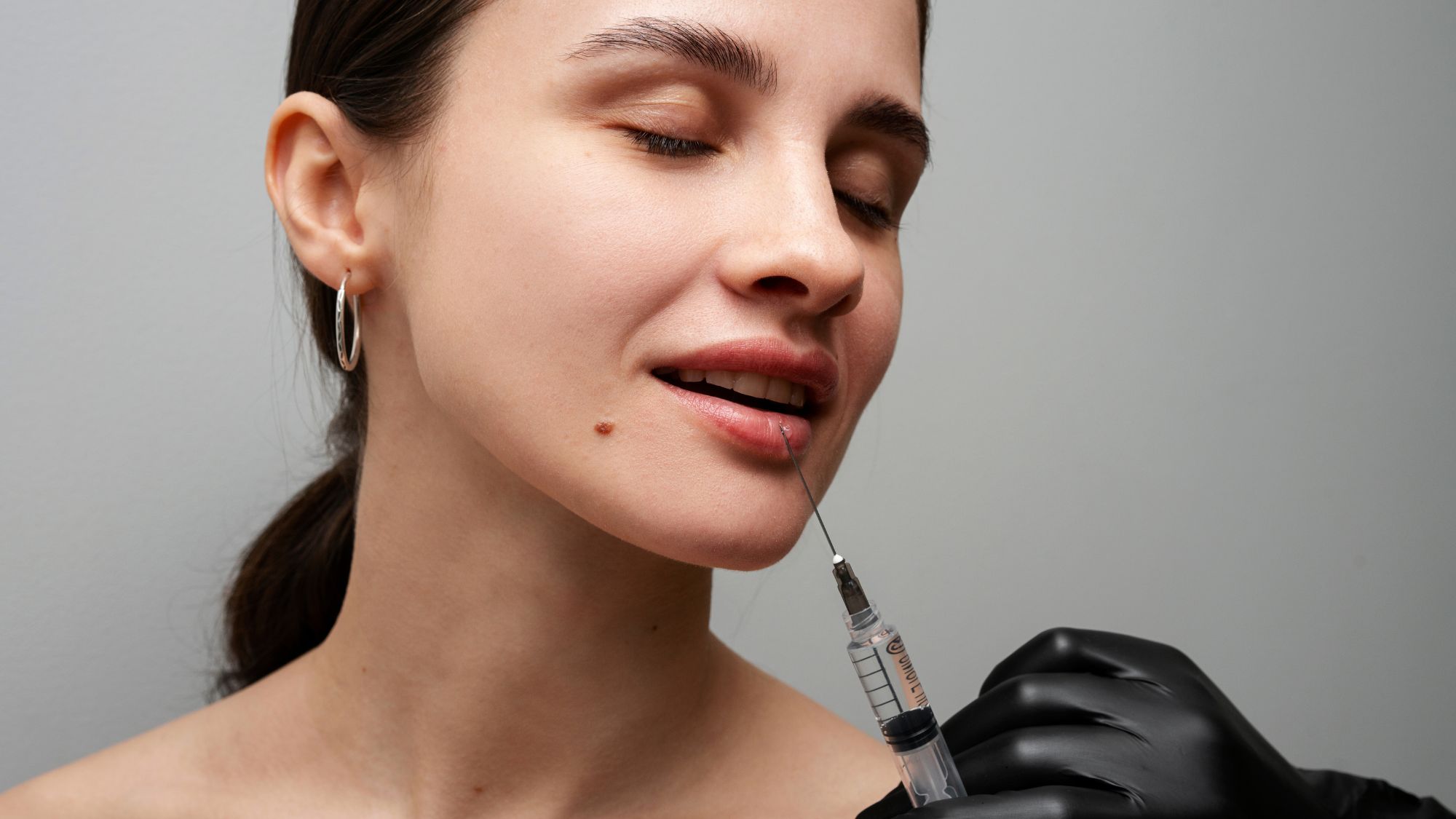
The final, and perhaps most crucial, mistake is rushing straight into the chair without a comprehensive consultation. A “one size fits all” approach never works for the face. Your provider should examine your dental occlusion (how your teeth sit), your skin elasticity, and your medical history (including your history of cold sores, as injections can trigger an outbreak).
A high-quality consultation involves a “facial assessment” where the injector looks at your face while you smile, pout, and speak. If a provider doesn’t ask about your goals or explain the risks, it’s a sign to find someone who will.
The Clinical Reality: The American Society of Plastic Surgeons emphasizes that the “pre-operative” assessment is the most vital step in patient safety and achieving the desired aesthetic outcome.
Next Steps for a Flawless Result
Avoiding these mistakes is the key to a result you’ll love every time you look in the mirror. Remember, the best work looks like a refreshed version of you, not a replica of someone else.
Are you ready to ensure your next treatment is a success? Use this guide as a checklist for your next appointment. If you found this information helpful, you might also want to read our guide on “The Best Aftercare Tips for Longevity” to make your results last even longer!
